Selling a farm or estate in Albemarle County is different from listing a city home. Acreage, water, fencing, easements, and drone-ready visuals all shape value and buyer interest. If you are within 22901 or nearby rural areas, a clear plan can reduce stress and protect your bottom line. In this guide, you will learn the key steps to handle taxes and title, get land and utilities ready, plan standout marketing, and time your prep over 12 months. Let’s dive in.
Know what drives value
Buyers of farms and estates focus on a few features that often outrank the house itself. Productive acreage, water access, the quality of fencing and working facilities, and any recorded easements can all shift price. Proximity to Charlottesville and the airport can also affect convenience for out-of-area buyers. If the land is enrolled in Albemarle’s Use-Value (land-use) taxation, buyers may ask how that carries forward and whether roll-back taxes could apply if use changes. You will set better expectations and pricing when you lead with these facts.
Handle taxes and title early
Getting legal and tax items sorted before you list can prevent last-minute surprises and price cuts.
Use-Value taxes and roll-backs
Confirm whether any acreage is in Albemarle’s Use-Value program, which taxes qualified agricultural, forestal, or open-space land based on use rather than full value. If a qualifying use ends, roll-back taxes can be assessed to the current owner. Review deadlines and request an estimate from the County early so you can plan your net proceeds. Learn more on the County’s Use-Value page at Albemarle County Finance and Land Use.
Easements and conservation programs
If your property has a recorded conservation easement, it will bind future owners and can limit subdivision, building envelopes, and certain practices. Identify the easement holder, pull the deed language, and prepare a summary for buyers. Albemarle’s conservation program resources explain local partners and transfer considerations. Start with the County conservation program overview.
Title, access, and recorded agreements
Gather current deeds, plats, recorded easements, and any private road or right-of-way agreements. Clearing unclear items or encroachments before you list helps appraisals and keeps deals on track. If you do not have recent surveys, consider updating them so buyers can see boundaries and access clearly.
Zoning and overlays
Verify your zoning designation, such as RA Rural Areas, and check for overlay districts that may affect use or building, including entrance corridors, airport overlays, steep slopes, and floodplain. Albemarle’s GIS resources summarize these layers and districts. You can review guidance at the County’s GIS metadata library.
Required disclosures
Virginia requires a state Residential Property Disclosure Statement for most residential sales, plus federal lead paint disclosure for pre-1978 improvements. Timing matters for buyer remedies. Work with your agent to deliver the correct forms on schedule. You can review the statute at the Virginia Residential Property Disclosure Act.
Get land and utilities ready
A well-prepared farm or estate shows buyers that the property has been cared for and can support their plans.
Wells and septic
Buyers and lenders often request well water testing and septic records. Locate well permits or completion reports and consider professional water tests for bacteria and common contaminants. For septic systems, pull as-built permits or repair records and schedule pump-outs or repairs where needed. Technical assistance and cost-share may be available through the Thomas Jefferson Soil and Water Conservation District. Explore programs on the TJSWCD agriculture page and review state rules at the Virginia Register well and septic guidance.
Riparian buffers and erosion
Identify streams and mapped riparian buffers. Healthy, documented buffers are a selling point for buyers who care about water quality, and some projects near streams need permits. Albemarle’s stream health and buffer pages outline requirements and local cost-share opportunities. See the County’s overview of riparian buffers and stream health.
Roads and access
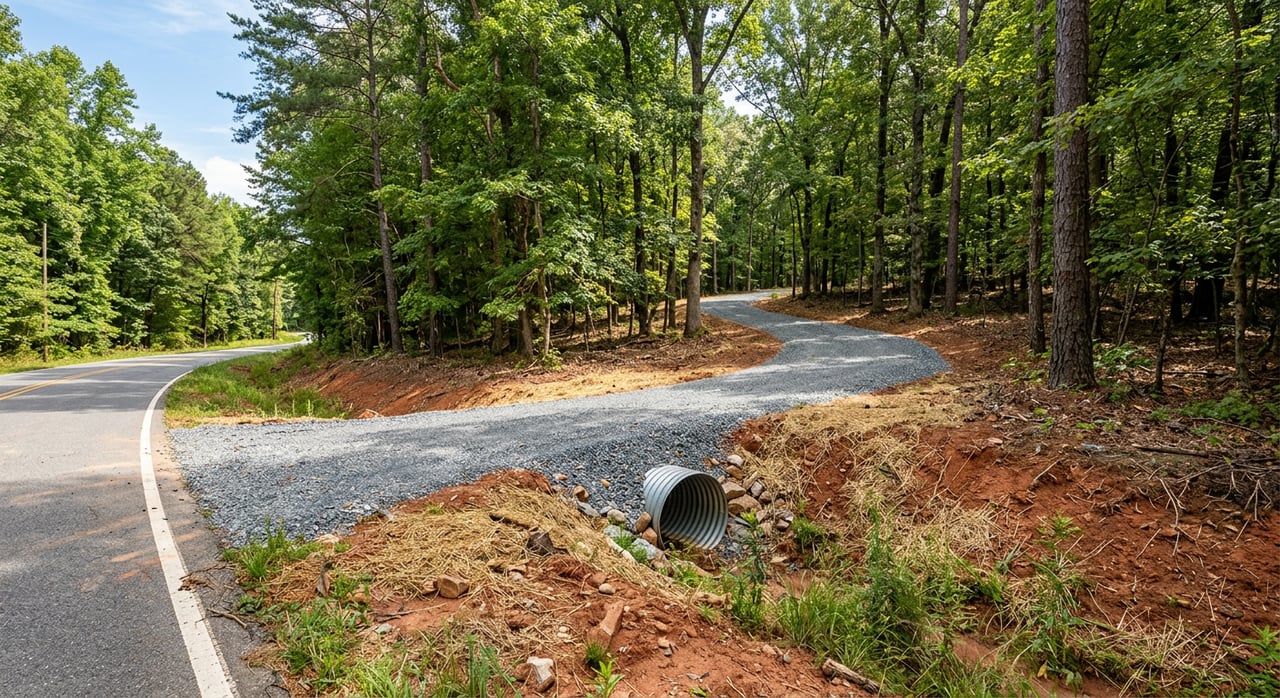
Reliable, safe access matters. Repair washed culverts, grade and surface driveways, and confirm any private road agreements are clear and current. If your entrance is gated, set clear showing instructions and safe parking areas so tours run smoothly.
Fences and barns
Repair perimeter and paddock fencing to show functional boundaries. Declutter barns and equipment bays, remove broken items, and ensure safe, well-lit walkways. Buyers focused on operational agriculture will look closely at these areas.
Views and vegetation
If your value story includes mountain or pastoral views, plan selective trimming where allowed and legal. Keep fields in neat grass or hay through photography. Tidy hedgerows and wooded edges to frame fields without over-clearing sensitive areas.
Hazard awareness and safety
Locate and mark old wells, unstable structures, or steep drop-offs. Prepare a simple safety plan for showings if animals or equipment are on-site. Many sellers choose to have an owner or farm hand escort tours for safety and to answer practical questions.
Stage the house and lifestyle
High-acreage buyers still expect residential quality in the primary home. Focus on clean, neutral presentation that supports your land story.
Interior refresh
Depersonalize, deep clean, and handle small repairs like HVAC filter changes, handrail tightening, and gutter clearing. Neutralize strong farm odors before photos and showings.
Exterior curb appeal
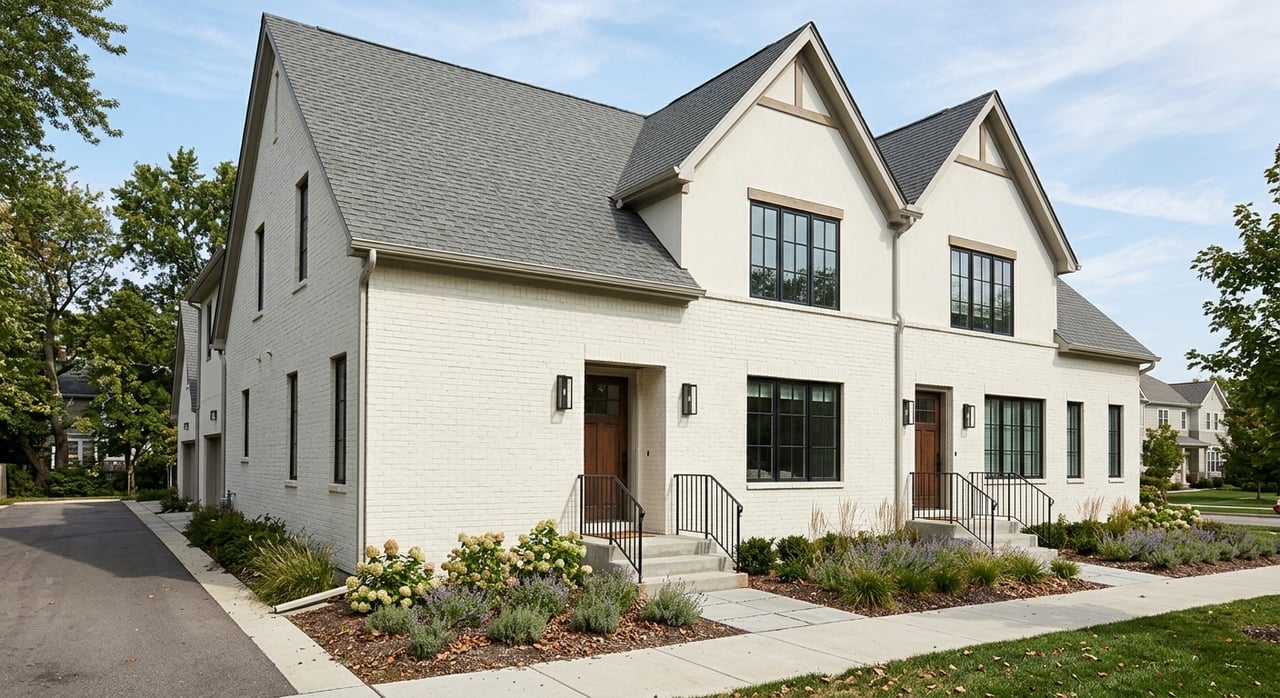
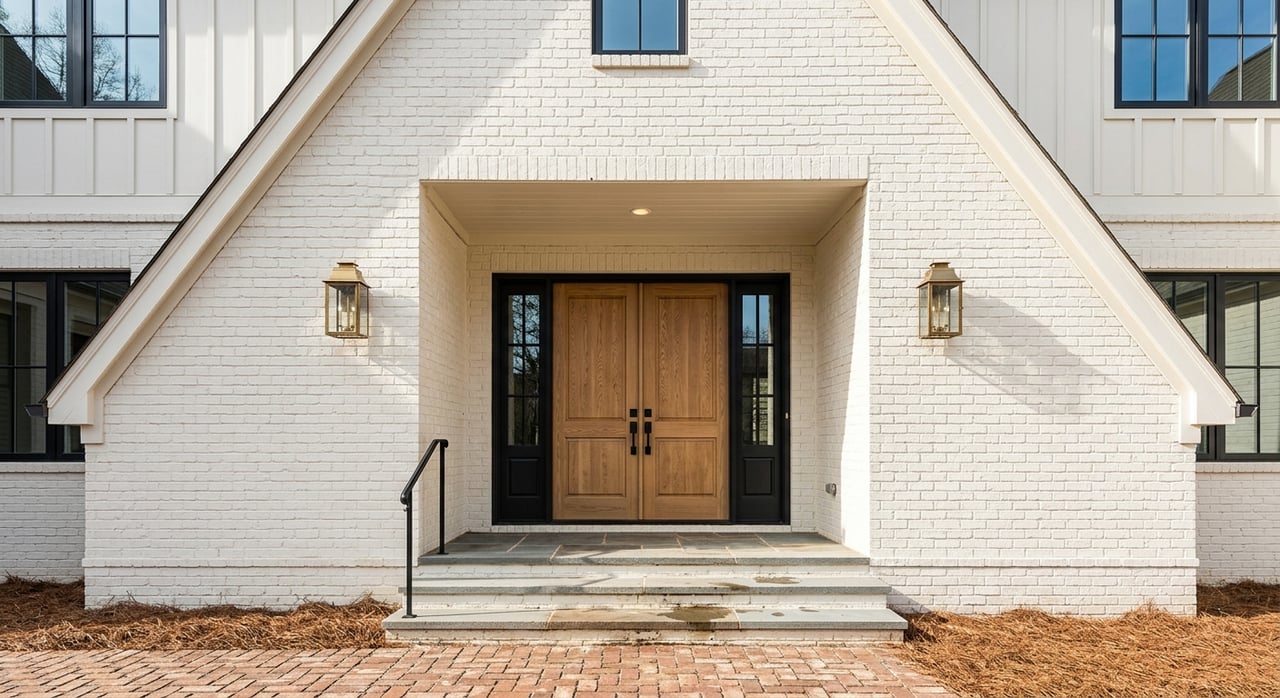
Pressure wash porches and walkways, touch up trim, and address roof or siding issues that stand out in photos. Create a clear arrival sequence from driveway to parking to front door.
Amenity storytelling
Highlight arenas, round pens, hay storage, machine sheds, managed trails, vineyards or cellars, guest houses, and historic outbuildings. Prepare a concise fact sheet with acreage by use, water sources, fencing types, and recent capital improvements such as well, septic, or electric upgrades. This helps buyers connect the dots quickly.
Plan photos and drone work
Large-acreage listings demand thoughtful visuals. Clear, well-timed images help buyers understand the property at a glance.
Essential shot list
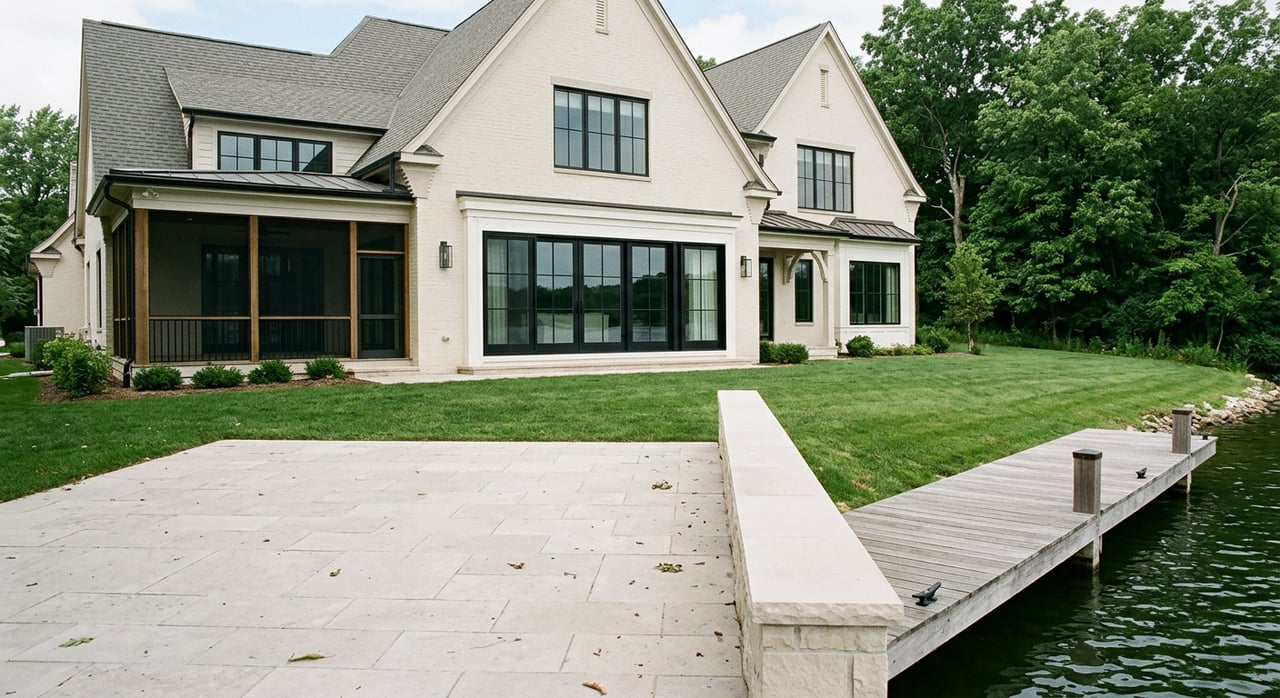
- Main residence exteriors, including a wide front view and dusk image
- Interior key rooms and entertaining spaces
- Barn interiors, arena and paddocks, and major outbuildings
- Pond and stream views when applicable
- Access roads and proximity to main roads
- Aerials with boundary overlays or a survey excerpt
- Lifestyle images that reflect daily use, such as horses in paddocks or hay in storage
Timing for impact
Plan exterior and aerial shoots for good weather and strong field presentation. Leaf-on months showcase green vistas, while leaf-off can improve long-range views if that is a selling point. Golden hour helps reduce glare and dust and adds drama to aerials.
Drone compliance to require
Hire a certified FAA Part 107 pilot who carries liability insurance and registers each aircraft. Your operator should also meet Remote ID requirements and obtain LAANC authorization when flying in controlled airspace near Charlottesville-Albemarle Airport. Ask for copies of authorizations before flight days. You can read more at the FAA’s pages for Part 107 operations, Remote ID, and LAANC access.
Price with local data
Farms and estates are not priced like suburban homes. The right buyer pool may value productive acreage, water, and fencing more than interior finishes. Ask for an appraisal or market analysis that leans on comparable full-acreage sales. For regional trends such as median prices and days on market, lean on Charlottesville Area Association of REALTORS market reports. You can find regional context through CAAR market summaries.
Follow a 12-month timeline
A simple plan helps you budget time and money while reducing surprises.
10 to 12 months out
- Gather deeds, plats, and recorded easements. If needed, order a current survey.
- Confirm Use-Value enrollment and request a roll-back estimate from the County. Start any needed land-use paperwork. See Albemarle’s Use-Value guidance.
- Scope major projects that may require permits, such as septic repair or well work. Review state rules at the Virginia Register guidance.
6 to 9 months out
- Complete access work such as driveways, culverts, and bridge repairs. Tidy fencing and critical barn systems.
- Begin any needed buffer plantings or erosion-control steps and ask about local cost-share help. See riparian buffer resources and TJSWCD programs.
- Commission a land-savvy appraisal or broker market analysis.
2 to 3 months out
- Finish interior touch-ups and deep cleaning. Stage the home and house exteriors.
- Book professional photography and a certified Part 107 drone operator. Confirm Remote ID and LAANC compliance for any controlled airspace.
- Finalize your property fact sheet and disclosure packet.
2 to 4 weeks out
- Capture final photos and video. Share gate codes and a simple safety plan with your agent.
- Prepare for open days or private tours with clear parking and animal safety instructions.
Pre-listing checklist
Use this quick reference to keep your prep on track.
High priority
- Verify Use-Value status and request a roll-back estimate from the County. See Albemarle Land Use.
- Pull well and septic records, schedule testing, and handle repairs if needed. Review support via TJSWCD septic guidance.
- Repair major access issues, such as culverts and driveways, to ensure safe showings.
- Hire a Part 107 drone operator and confirm Remote ID and any LAANC authorization.
Medium priority
- Fix fencing and key barn systems. Declutter outbuildings.
- Start erosion control or buffer plantings where needed. Review County buffer resources.
- Order a land-focused appraisal or broker CMA.
Valuable extras
- Deep interior cleaning and neutral staging.
- Create a simple parcel use map and list recent capital improvements.
Showing safety on farms
Farm showings often include livestock, equipment, and long walks. Secure animals in safe paddocks, mark hazards, and post simple directional signs to guide visitors. Provide one point of contact for showings to manage gates, parking, and timing. A calm, orderly tour helps buyers focus on the property’s strengths.
Ready to list with confidence
A clear plan helps you protect value, reduce risk, and present your property with pride. If you want staging-led guidance, acreage expertise, and curated marketing that includes compliant drone work and a strong pricing strategy, you are in the right place. Reach out to Katelyn Mancini to request your free home valuation and personalized market plan.
FAQs
What should Albemarle farm sellers do first?
- Confirm Use-Value enrollment, estimate potential roll-back taxes with the County, and pull deeds, plats, and recorded easements so title is clear before listing.
How do Virginia property disclosures affect my sale?
- Virginia requires the Residential Property Disclosure Statement for most residential sales, with specific timing rules. Review the state statute and deliver forms on schedule.
Do I need to test my well and septic before listing?
- Buyers and lenders often ask for documentation. Locate permits and repair records, consider water testing, and schedule septic pump-outs or repairs if needed. See Virginia guidance.
Can I fly my own drone for listing photos?
- Commercial real estate drone work requires a certified FAA Part 107 pilot, Remote ID compliance, and airspace authorization near airports. Hire a qualified operator to manage safety and permits. See FAA Part 107.
How do riparian buffers impact what I can do near streams?
- Albemarle supports riparian buffers to protect stream health. Some work near streams may need permits, and documenting healthy buffers can be a selling point. Review County buffer resources.